
The one job a contractor website has
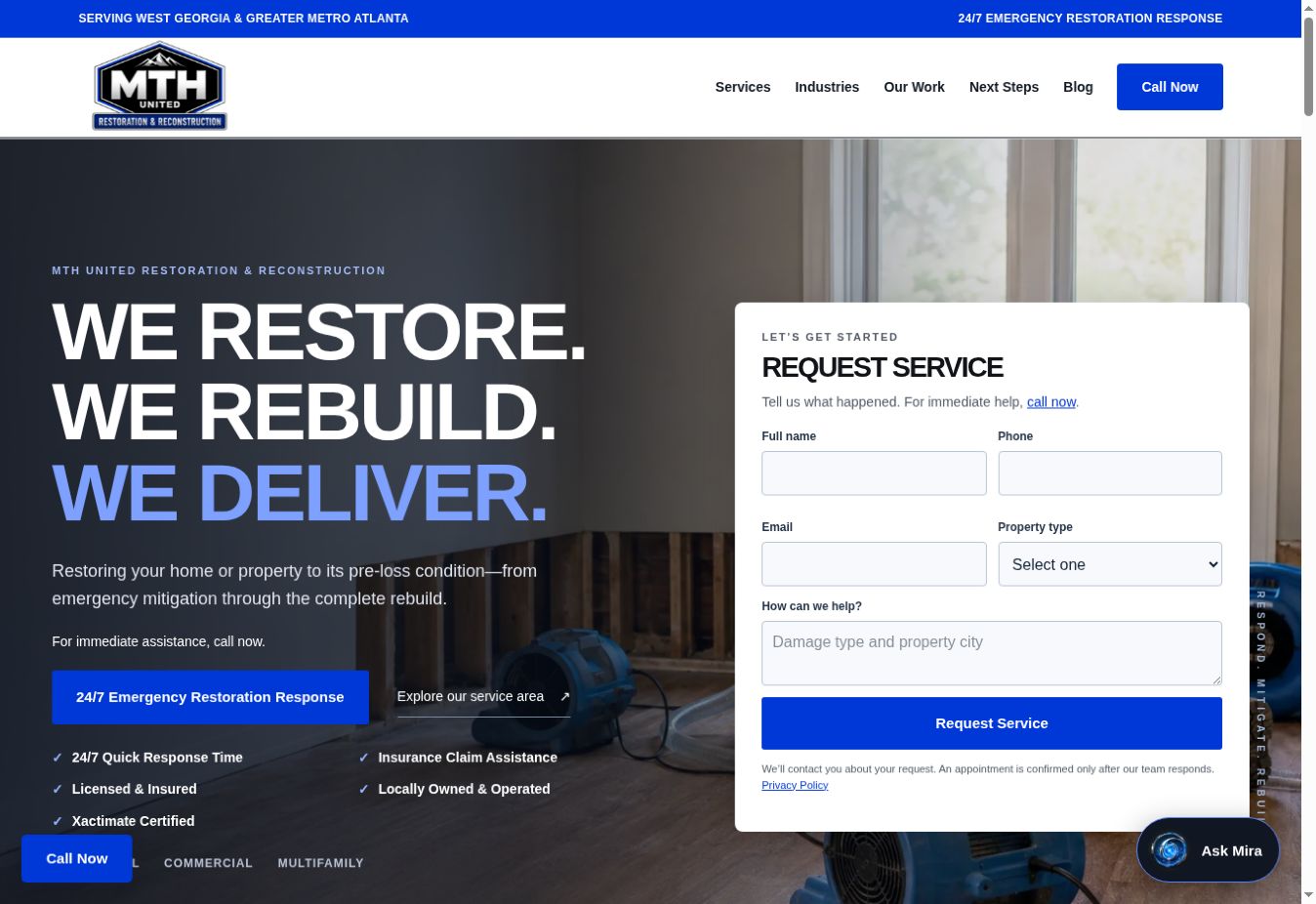
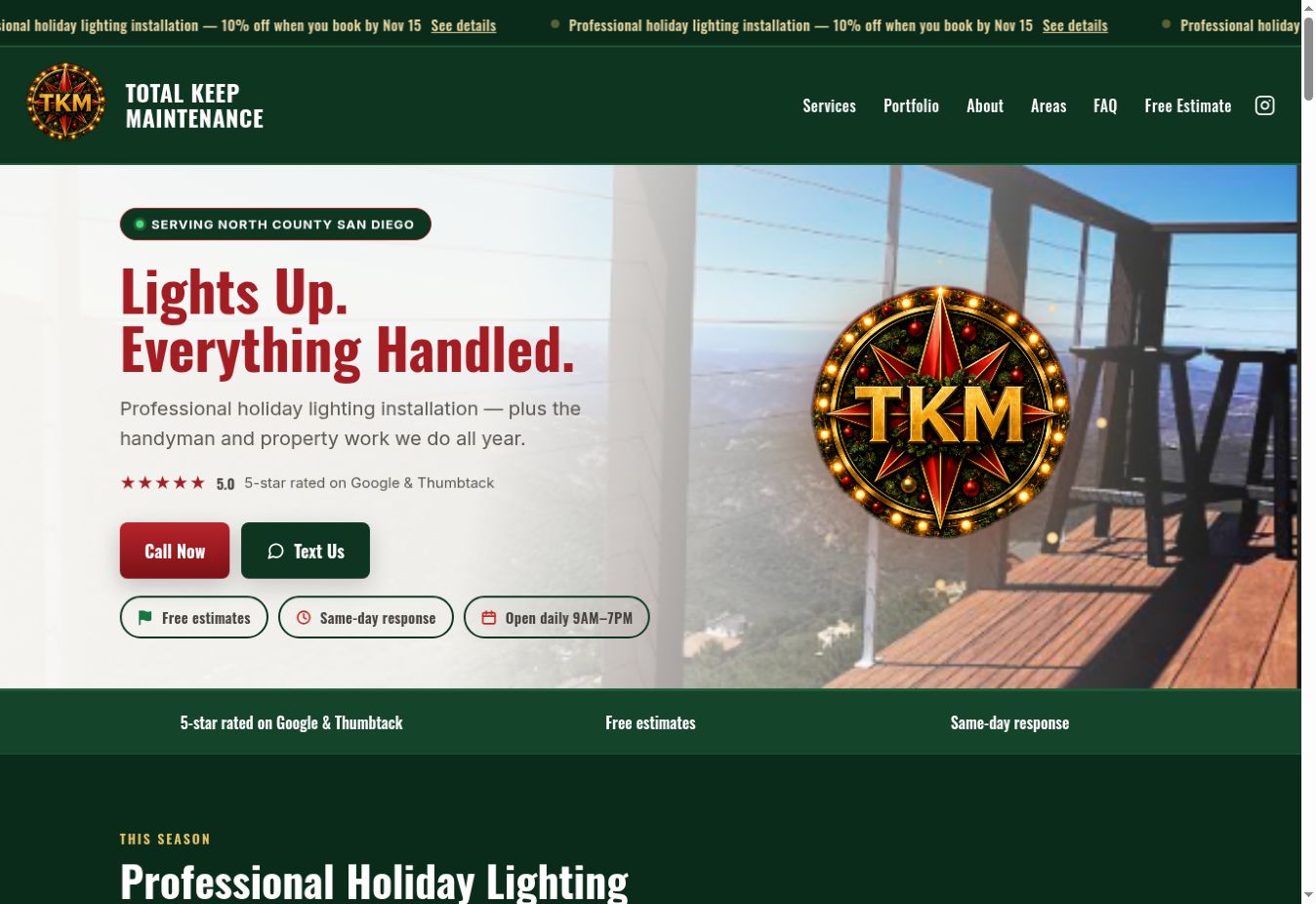
Everything on a contractor website is negotiable except one thing: turning a visitor into a phone call, a form submission, or a booked estimate. Awards, drone footage, and long mission statements are optional. Conversion is not. Every design and content decision should be judged against whether it moves a visitor closer to that one action or adds friction on the way there.
Mobile speed and structure
A majority of contractor website traffic is mobile — someone searching from a driveway, a job site, or a couch after a problem shows up. A slow-loading page loses that visitor before your reviews or work samples get a chance to make the case. Large uncompressed images and heavy embedded video are the usual culprits, and trimming them is often the single highest-return fix available. Layout matters just as much: tap targets sized for a thumb, a real tel: link on the phone number, and nothing that overlaps or forces pinch-zooming.
Message clarity in the first few seconds
A visitor should know, within a few seconds, what you do and where you work — without scrolling or reading a paragraph. "Quality work, fair prices" tells them nothing; a specific service area and specialty do. The homepage headline and the first screen of content carry more weight than almost anything below the fold, because a meaningful share of visitors decide whether to stay based on that alone.
Trust signals that actually convert
Buyers evaluating a contractor online are silently asking a short list of questions: Are they licensed and insured? Is this real work or stock photography? What do other customers say? A site that answers these plainly — real project photos, visible licensing and insurance information, recent and specific reviews — builds more confidence than polished copy ever will on its own. Financing information, if relevant, deserves the same clear, upfront treatment, since cost is often the biggest unspoken objection.
Website cost, timelines, and what to expect
Contractor website costs vary widely based on scope — a clean one-page site with strong conversion fundamentals can cost far less than a multi-service, multi-location build with custom features. What matters more than the price tag is what's included: mobile performance, conversion-focused structure, real photography (not generic stock), and a working lead-capture system with someone accountable for following up. A beautiful site that doesn't convert is a worse investment than a simple one that does.
Timelines depend on scope and how quickly content (photos, service descriptions, licensing details) gets provided — the most common delay in any website project is waiting on materials from the business, not the build itself.
Should you build it yourself or hire it out?
DIY website builders can work for a very simple, low-complexity presence, but most contracting businesses benefit from a professionally built site once the stakes are real — a slow, poorly converting site quietly costs more in missed leads than the difference in build cost. Whoever builds it, hold the same standard: the site should be judged on whether it converts visitors into calls, not on how it looks in a portfolio screenshot.
Websites by trade
The fundamentals above apply everywhere, but what belongs above the fold shifts by trade: emergency trades like roofing, plumbing, and restoration need the phone number to win every design decision, HVAC has to serve both emergency and planning-stage visitors on the same site, and electrical and solar lean harder on visible licensing, certifications, and honest claims. High-consideration trades like remodeling and design-build reward portfolio depth and process transparency over urgency. B2B trades like facility services, mechanical, and commercial roofing are designed for a procurement buyer, not a panicked one. And general contractors need navigation that handles real breadth. See the full trade list for how we approach growth consulting by industry.
Before you launch or relaunch, the contractor website checklist walks through the same fundamentals in a printable, step-by-step format.
If you'd rather talk it through, that's what Karen does: a focused conversation about your goals and constraints, and a clear read on what to fix first.